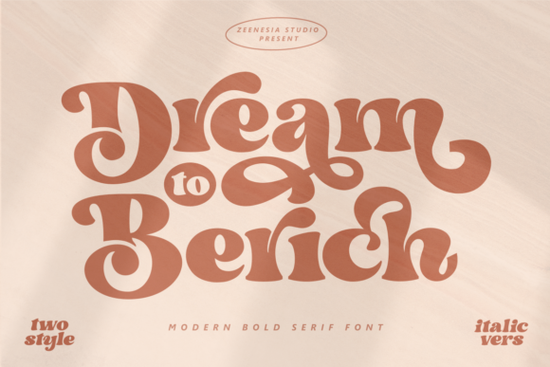
If you're looking for a serif font that feels both modern and timeless something that works just as well on a wedding invitation as it does on a small-batch candle label you’ll likely enjoy Dream to Berich Font. It’s a clean, stylish serif with subtle flair: gentle contrast in stroke weight, graceful curves, and just enough personality to stand out without overwhelming your layout. Unlike many display serifs, it’s designed to be highly legible at smaller sizes too, making it practical for real-world projects not just mood boards.
What makes Dream to Berich different from other serif fonts?
First, it’s PUA encoded. That means all alternate glyphs, ligatures, and swashes are accessible directly through your design software no need for complex OpenType panels or workarounds. In programs like Adobe Illustrator, Affinity Designer, or even Cricut Design Space (with Unicode support), you can type normally and then swap in elegant flourishes with a few clicks. This saves time and keeps your workflow smooth, especially if you’re juggling multiple client projects or launching seasonal POD collections.
Second, its proportions strike a thoughtful balance: tall x-height for readability, moderate contrast for warmth, and slightly condensed letterforms that give tight lines a polished, intentional feel. It’s not overly dramatic like some vintage-inspired serifs, nor is it so neutral that it fades into the background. Think of it as the kind of font you’d reach for when you want your message to feel considered not flashy, but quietly confident.
Where does Dream to Berich work best?
This font shines in contexts where tone and trust matter. For print-on-demand sellers, it pairs beautifully with minimalist product photography think greeting cards, tea towels, or framed art prints with short quotes or names. Small businesses love it for business cards, letterheads, and packaging labels where clarity and character both count. Crafters building SVG bundles for cutting machines often use it for layered monograms or personalized wall decals, thanks to its clean outlines and consistent spacing.
It also holds up well alongside simpler sans-serifs. Try pairing Dream to Berich Font with a friendly geometric sans (like Montserrat or Inter) for headings and body text this combo gives depth without clutter. And because it’s a true serif not a script or slab it avoids visual fatigue in longer blocks of text, unlike some trendier alternatives.
How does it compare to other popular serif fonts on Creative Fabrica?
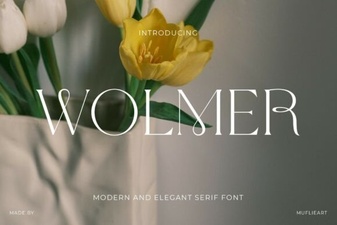
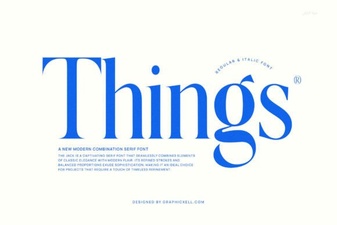
If you already own Raffined Font, you’ll notice Dream to Berich has a lighter, airier rhythm less formal, more approachable. Compared to Wolmer Font, which leans into classic book typography, Dream to Berich feels more contemporary and versatile across digital and physical formats. And while Things Font offers playful irregularity, Dream to Berich delivers consistency without sacrificing charm.
Each of these serifs serves a different purpose and that’s why many designers keep several in rotation. You wouldn’t use Raffined for a playful baby onesie design, just as you wouldn’t reach for Things Font for a law firm’s annual report. Dream to Berich sits comfortably in the middle: refined enough for professional use, warm enough for personal projects.
Practical tips before you download
Before installing or using Dream to Berich Font, check your software’s glyph panel to explore the full set of swashes and alternates. Some look great as initial caps; others add subtle movement to word endings. Also, test it at 12–14pt in your intended output format especially if printing on textured paper or cutting vinyl. Serif fonts can sometimes lose definition at very small sizes or on low-resolution screens, but Dream to Berich was built with real-world constraints in mind.
For reference, you can see how it’s used across projects on Dream to Berich Font, and compare it side-by-side with similar options like Raffined Font, Wolmer Font, and Things Font.
- Test it first: Type a few sample phrases your business name, a tagline, and a short quote to see how spacing and rhythm feel in context.
- Check licensing: Confirm whether your plan covers commercial use, especially if you’re selling physical goods or digital templates.
- Save variants: Export a few versions (e.g., headline-only, full swash set, simplified version) so you don’t have to reconfigure settings every time.
- Pair thoughtfully: Try it with one neutral sans-serif and one complementary script then step back and ask: does the hierarchy feel clear? Does the tone match your audience?
If you’ve been searching for a serif font that’s easy to use, adaptable across mediums, and quietly expressive Dream to Berich Font is worth adding to your toolkit. It won’t solve every design challenge, but it handles everyday jobs with grace, and that’s what makes it reliable.
Try It Free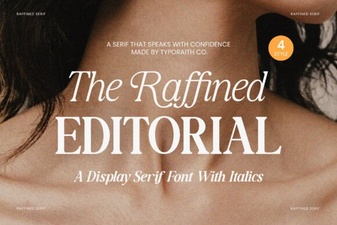 Choosing and Using Refined Typography
 Discovering Wolmer Font for Modern Typography Projects
 Creative Typography Projects with Things Font
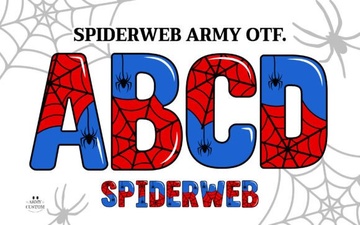 Free Spiderweb Army Font Download
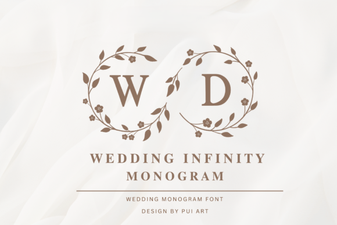 Craft Your Wedding Infinity Monogram Signature
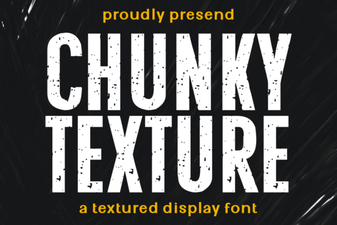 Design Ideas Using Chunky Font Textures